
Government-funded paid aircraft maintenance training—start your aviation career
✨ Earn while you learn | 💰 No need to worry about tuition fees | 💼 Job placement | 🏠 Application Guide for the Aviation Maintenance Technician Training
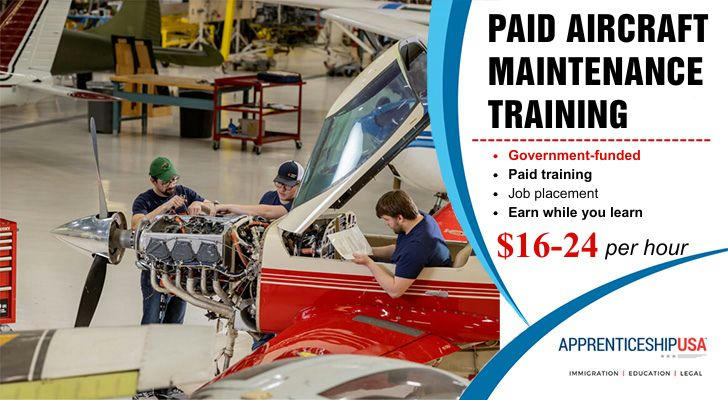
If you want a stable, high-demand aviation career but worry about tuition costs and no experience, now is the time to explore government-supported FAA-certified aircraft maintenance training programs. Many programs offer paid apprenticeships earning around $16–$24 per hour while training, hands-on experience, and a direct path to FAA A&P certification, allowing you to learn while earning as U.S. airlines and maintenance companies urgently need technicians.
Why Choose Government-Funded Aviation Maintenance Technician Training?
Through partnerships with FAA-certified schools, community colleges, and aviation maintenance organizations, these programs focus on practical, job-ready training.
Many pathways include paid apprenticeships or internships, allowing participants to earn income while completing required training hours—helping reduce financial pressure during the learning process.
Key Benefits:
• Earn While You Learn: Many programs offer paid internships or apprenticeships at local aviation facilities, so you can gain practical experience and earn an income simultaneously.
• Comprehensive Training: Learn essential skills in aircraft systems, safety procedures, and FAA regulations.
• Industry Certifications: Graduate with an FAA A&P certification, which is highly sought after in the aviation industry.
• Job Placement Assistance: Several programs offer job placement support, ensuring you can secure a well-paying job after completing your training.
Types of Government-Funded Aviation Maintenance Technician Programs
There are various ways to pursue your aviation maintenance technician training, including:
1. FAA Certified Aircraft Maintenance Technician Programs: These FAA-approved programs offer paid internships and job placement assistance. You’ll receive classroom instruction combined with hands-on experience.
2. U.S. Department of Labor Apprenticeships: These combine structured classroom learning with on-the-job experience at local aviation facilities, offering a paid pathway to certification.
3. Community Colleges & Technical Schools: Many colleges provide government-funded aviation maintenance programs, offering work-study or internship opportunities at local airports or hangars.
4. Aviation Maintenance Organizations: These partnerships with the government offer subsidized courses and paid work opportunities within the aviation sector.
What Will You Learn in FAA-Certified Aviation Maintenance Technician Programs?
These programs offer hands-on training and practical experience in several key areas of aviation maintenance:
• Aircraft Systems: Learn how to maintain and repair aircraft engines, airframes, avionics, and hydraulic systems.
• Aircraft Inspection & Maintenance: Gain real-world experience inspecting and repairing aircraft components to ensure they meet safety standards.
• Aviation Regulations: Study FAA regulations and safety standards to understand the legal requirements for maintaining aircraft.
• Safety Procedures: Learn vital safety practices to ensure safe aircraft operation, focusing on accident prevention and risk management.
• Advanced Technologies: Explore emerging technologies such as computerized maintenance management systems (CMMS) used in modern aviation.
According to industry data, aviation maintenance technicians in the U.S. typically earn:
• Entry-level roles: approximately $45,000–$60,000 per year
• Experienced technicians: $70,000–$90,000+ annually
• Senior or specialized roles (overtime, major hubs): $100,000+, depending on location and experience
Paid apprenticeship programs allow participants to begin earning income before full certification, making this pathway especially attractive for career changers.
Career Opportunities After Completion
Upon graduation, you will be ready to pursue a variety of high-paying roles within the aviation industry:
• Aircraft Maintenance Technician (AMT): Inspect and maintain aircraft systems, ensuring they are safe and functional.
• Aviation Mechanic: Focus on repairing the mechanical aspects of aircraft, from engines to landing gear.
• Avionics Technician: Specialize in maintaining aircraft avionics systems, including navigation and communication.
• Aircraft Inspector: Ensure that aircraft meet rigorous safety and maintenance standards, contributing to overall flight safety.
These roles offer job security, competitive salaries, and significant opportunities for career advancement.
How to Apply for FAA-Certified Aviation Maintenance Technician Programs
Starting your journey to becoming an aviation maintenance technician is easy. Here’s how:
1. Choose the Right Program: Find a program that fits your career goals. Consider factors like location, program length, and the type of certification offered.
2. Prepare Your Documents: Gather the necessary documentation, including your ID, high school diploma or equivalent, and any other required forms.
3. Submit Your Application: Apply online or in person at your chosen training facility.
4. Confirm Enrollment: After submitting your application, keep an eye on your email for enrollment confirmation and further instructions.
5. Start Learning and Earning: Once enrolled, begin your training, earn your FAA A&P licenses, and start your rewarding career in aviation maintenance.
John’s Journey: From Learning to Earning in Aviation Maintenance
John had always been interested in aviation but was concerned about tuition costs and career stability. Through a government-supported FAA-certified training pathway, he enrolled in a program that combined classroom instruction with a paid apprenticeship at a local aviation maintenance facility. During training, John earned hourly wages while gaining hands-on experience in aircraft systems, inspections, and safety procedures—without taking on heavy student debt.
After completing the program and meeting FAA A&P certification requirements, John secured a full-time position as an Aircraft Maintenance Technician. With experience, additional certifications, and overtime opportunities, his income increased steadily, providing long-term stability and career growth within the aviation industry.
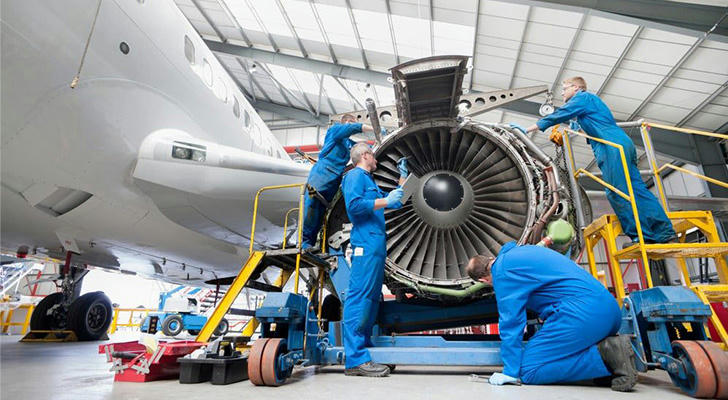
With paid training and government-backed financial support, John’s career took off—and so can yours!
Ready to get started?
With government-supported training, paid learning opportunities, and strong industry demand, aviation maintenance careers are more accessible than ever.
If you're ready to earn while you learn and build a future in aviation, explore FAA-certified aircraft maintenance training programs today.