
🦷 A Practical Guide for Seniors in Australia: How to Access Dental Implants
Dental implants provide a permanent and natural-looking solution for missing teeth, significantly improving oral health, function, and confidence. However, the high cost of dental implants can make them inaccessible for many Australians. This guide explores the various ways to obtain dental implants, including government programs, financial assistance options, and alternative treatments.
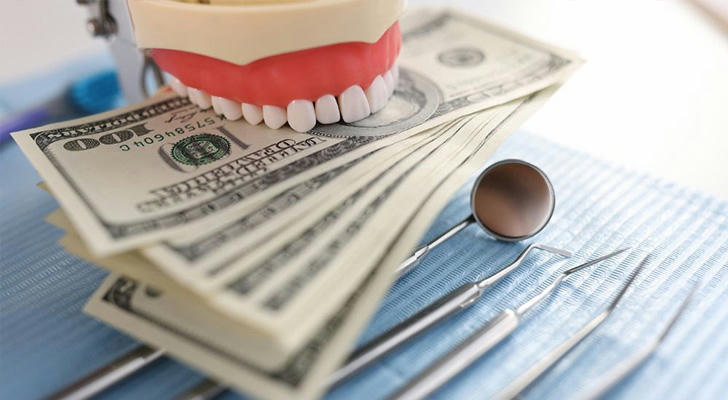
Understanding the Cost of Dental Implants in Australia
The cost of dental implants in Australia varies depending on factors such as the complexity of the procedure, the materials used, and the location of the dental clinic. On average:
- Single Tooth Implant: Costs range between $3,000 and $6,500.
- Full Mouth Reconstruction: Can range from $15,000 to $30,000 per arch.
These costs typically cover the implant fixture, abutment, and crown.
Dental implant costs and support options vary across Australia’s states and territories. In metropolitan areas like Sydney, Melbourne, and Brisbane, patients can access a wide range of private clinics and university dental programs offering advanced implant technology and flexible payment plans. Meanwhile, regional and rural areas—such as parts of Western Australia, South Australia, and the Northern Territory—often have fewer specialized dental surgeons, leading to longer wait times and higher travel expenses.
1. Background and Challenges
Dental implants are a modern and reliable way to restore missing teeth, improving chewing ability, maintaining jawbone health, and enhancing quality of life. However, implant procedures can be costly. In Australia, a single dental implant (including the implant post, abutment, and crown) can cost several thousand Australian dollars, excluding additional procedures such as bone grafts or sinus lifts.
For many seniors living on a fixed income or pension, this expense can be difficult to manage. Therefore, understanding available assistance, discounts, and alternative options is essential.
2. Options and Resources for Seniors
Below are several ways Australian seniors can reduce the financial burden of dental implants:
| Option | Eligibility / Conditions | Benefits & Limitations | Notes / Tips |
|---|---|---|---|
| Public Dental Services | Pension card or Health Care Card holders, low-income earners | Subsidized or discounted dental services through public dental clinics | These clinics usually focus on basic care (cleaning, extractions, dentures) rather than complex implant surgeries |
| State / Territory Government Programs | Seniors, low-income individuals, welfare recipients | May provide subsidies for eligible patients | Often excludes full implant coverage but may help with partial treatments |
| Early Access to Superannuation | Approved on medical grounds | Allows withdrawal of part of retirement savings for medical use | Requires Australian Taxation Office approval and medical documentation |
| Private Health Insurance (Major Dental Cover) | Seniors with private dental insurance | May reimburse part of the cost | Terms vary widely — review waiting periods and coverage limits |
| Charity or Nonprofit Dental Programs | Low-income seniors or those in rural areas | Reduced or discounted services offered by charity groups | Limited availability; contact local community organizations |
| University Dental Clinics | Patients open to student-supervised treatment | Much lower cost; treatment performed under professional supervision | Treatment may take longer due to educational structure |
Cautions
Even with government subsidies, most public programs still require partial payment. Because dental implant surgery is complex and considered an elective procedure, it is rarely covered for the majority of the cost.

3. Key Considerations for Seniors
Here are some useful tips to help seniors make informed decisions when exploring implant options:
Plan Early and Get a Dental Assessment
Start consultations early when bone density is still good to avoid costly additional procedures later.Understand Eligibility Criteria
Each state or territory has different standards for public dental support. Seniors should contact their local health department to confirm requirements.Prepare Supporting Documents
For government or charity support, gather medical certificates, dental reports, and income proof.Compare Clinics and Quotes
Prices vary greatly. Request written quotes from several clinics or university programs to compare value and payment plans.Consider Payment Plans
Many dental clinics offer low-interest payment options to ease the upfront cost.Explore Alternative Treatments
If implant costs remain high, consider dentures or dental bridges as lower-cost alternatives.Maintain Good Oral Health
Regular cleaning and gum care can prevent further tooth loss and protect future dental work.
4. Example Process for Seniors
Here’s a simple example showing how seniors might navigate their implant journey:
Initial Consultation
Schedule check-ups and X-rays with multiple clinics or university dental programs.Evaluate Available Support
Ask local public dental services, state health departments, or charities about possible subsidies.Apply for Assistance
Submit required medical and financial documents for assessment.Choose the Right Clinic
Compare treatment plans, costs, and payment options before making a final decision.Undergo the Procedure
Complete the implant process — from surgery to crown placement — under dental supervision.Post-Treatment Maintenance
Attend regular follow-ups to ensure implant stability and long-term oral health.
5. Conclusion
While getting dental implants in Australia can be financially challenging for seniors, several pathways can help make it more affordable:
- Accessing public dental and government-funded services
- Seeking treatment through university dental clinics
- Using insurance, payment plans, or early superannuation withdrawals
- Exploring community or charitable dental programs
With proper planning and consultation, seniors can regain both their smile and confidence without overwhelming financial stress.